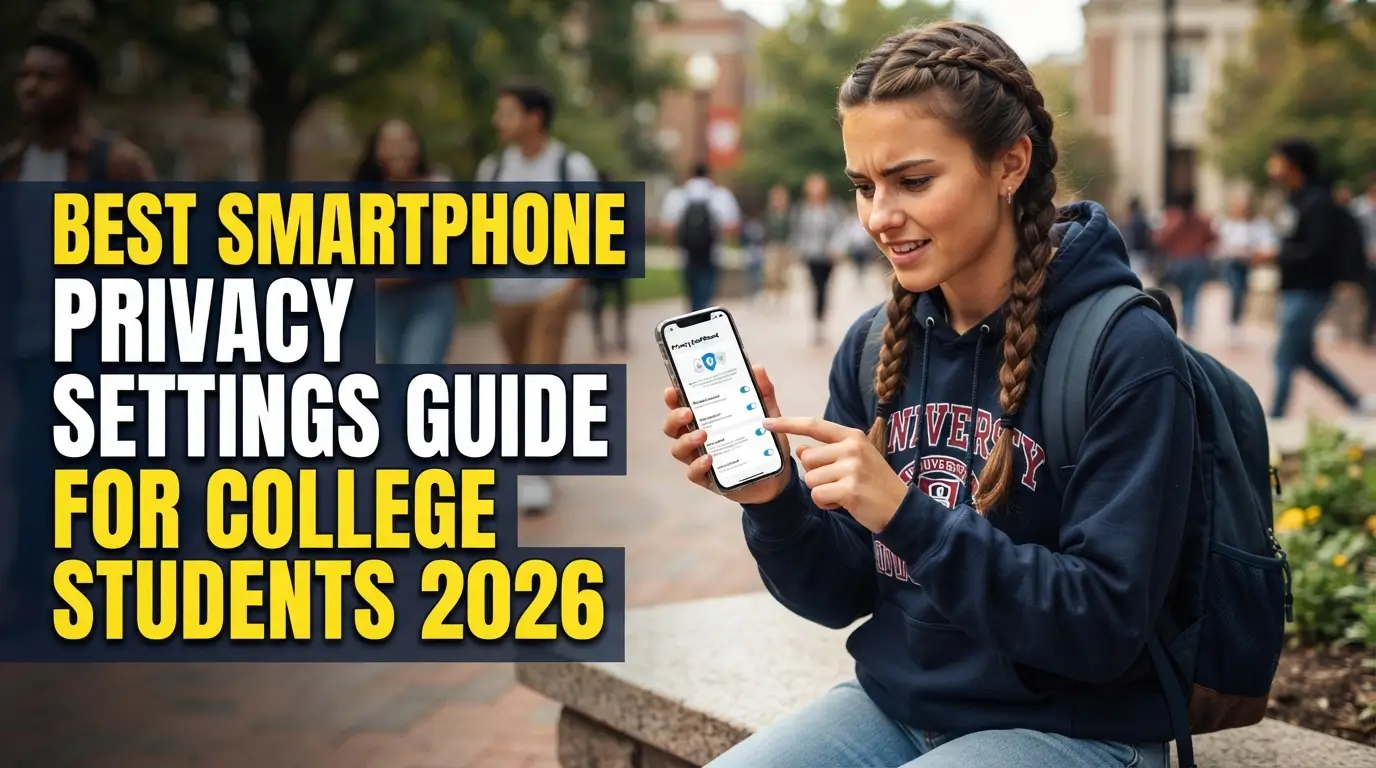
Finding the best smartphone privacy settings guide for college students is crucial when campus life practically forces you to download a new app for everything. Best Smartphone Privacy Settings Guide For College Students Between dining hall menus, laundry monitors, and group project chats, your phone constantly broadcasts your personal data. Walking across the quad should not mean broadcasting your exact location to a dozen tech companies. Taking control of your data takes five minutes.
Why the Best Smartphone Privacy Settings Guide for College Students Starts with Location
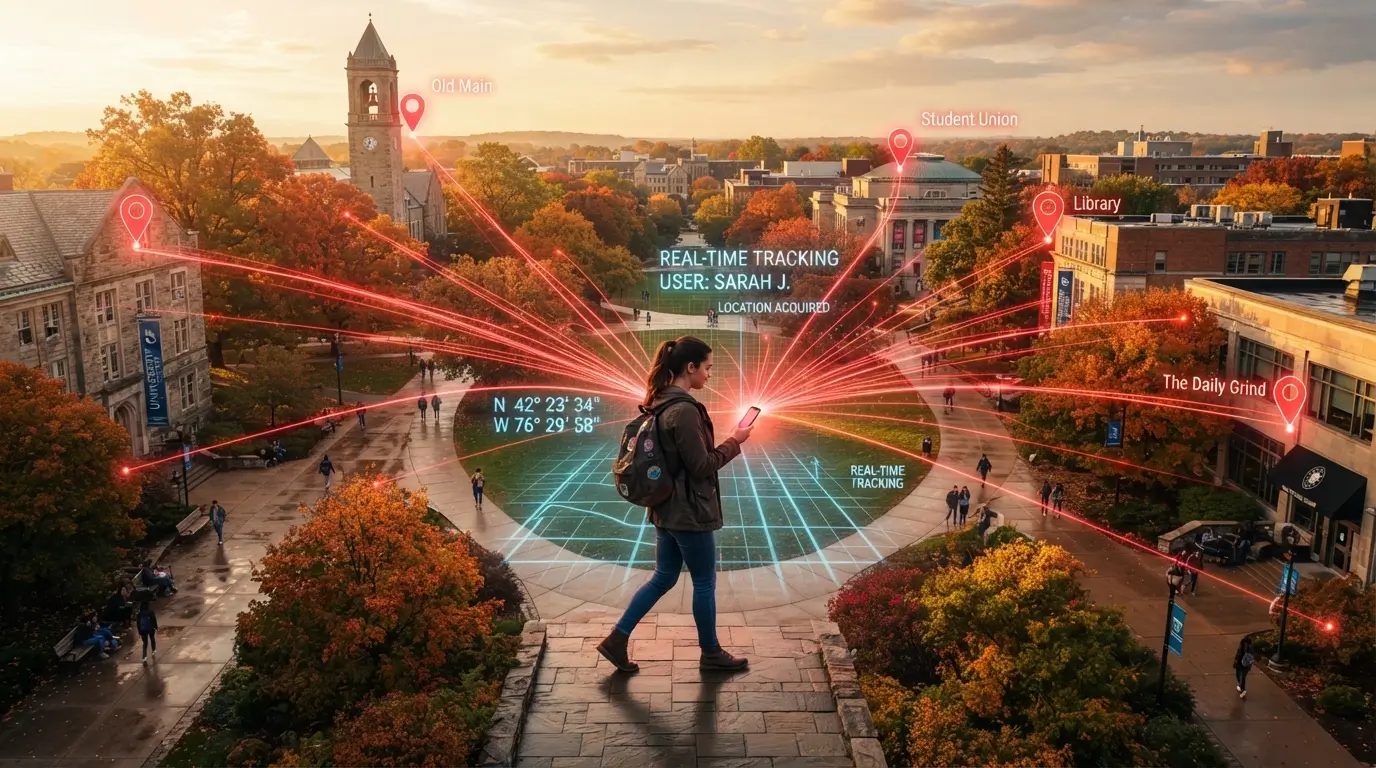
Every new app you download for a campus event or student discount immediately asks for your whereabouts. Best Smartphone Privacy Settings Guide For College Students Go into your device settings and switch location access from ‘Always’ to ‘While Using the App’ for anything related to food delivery, campus transit, or maps. Better yet, turn off Precise Location entirely for apps that only need a general idea of your city.
Weather apps function perfectly fine knowing you are in Boston instead of pinpointing your specific dorm room. Best Smartphone Privacy Settings Guide For College Students Leaving precise location enabled drains your battery fast. It also creates a highly detailed map of your daily routine. Taking a few seconds to restrict this access gives you immediate peace of mind while walking home late.
Stop Third-Party Apps from Tracking Your Activity
Social media platforms build massive profiles on your habits by watching what you do after you leave their apps. Best Smartphone Privacy Settings Guide For College Students Apple gives you the power to block this behavior with a single tap. Go to your privacy menu and look for the tracking option. Toggle off the switch that allows apps to request to track you. Android users can achieve the same result by opting out of personalized ads in their Google account settings.
This blocks companies from building a targeted advertising profile with your data. Many students ignore this prompt because they think personalized ads are convenient. Best Smartphone Privacy Settings Guide For College Students Giving companies free reign to monitor your late-night study searches is not worth the trade, IMO. You will still see ads everywhere, but they will not follow you from Instagram to your favorite clothing store quite as aggressively.
Hide Your Lock Screen Notification Previews
Leaving your phone face up on a desk during a study group leaves your personal life exposed. Anyone sitting nearby can easily read text messages from your roommates or bank alerts popping up on your screen. Best Smartphone Privacy Settings Guide For College Students Changing your notification settings fixes this embarrassing problem instantly. Open your phone settings and set message previews to only show when the device is unlocked.
Your screen will still light up to tell you a text arrived, but the actual content remains hidden until Face ID or your fingerprint confirms it is you. Best Smartphone Privacy Settings Guide For College Students Shoulder surfing happens constantly in crowded lecture halls. A quick glance from a stranger is all it takes to compromise your two-factor authentication codes or private conversations. Keeping previews hidden ensures your business stays yours, even if you step away to grab a coffee.
Audit Microphone and Camera Permissions Regularly
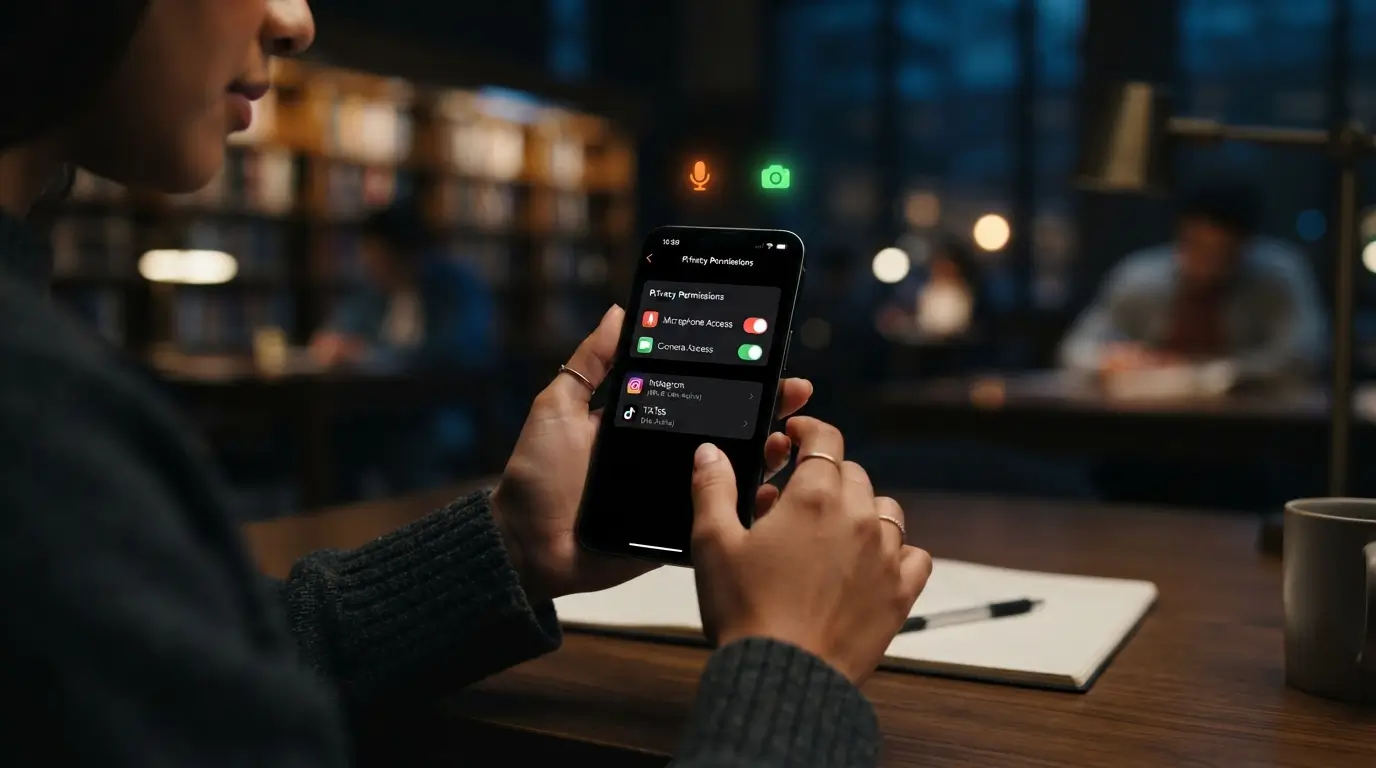
Reading through a best smartphone privacy settings guide for college students usually reveals that flashlight apps and cheap games have zero business accessing your camera or microphone. Best Smartphone Privacy Settings Guide For College Students Developers often sneak these permissions into the setup process hoping you will blindly hit accept to start playing. Check your privacy dashboard to see exactly which apps recently used your mic or camera. Revoke access immediately for anything that does not involve video calls or taking photos.
Both iOS and modern Android phones display a small colored dot at the top of your screen when an app actively records audio or video. Pay close attention to those indicators. Best Smartphone Privacy Settings Guide For College Students If an orange or green dot appears while you are just scrolling through a reading assignment, an app is overstepping its boundaries. Stripping away unnecessary permissions forces those sketchy apps to behave responsibly and stops background monitoring completely.
Limit Photo Album Access to Specific Images
Giving an app full access to your entire camera roll is a massive security risk. When you want to upload a single picture to a student marketplace or social feed, the app asks to see everything you have ever saved. Best Smartphone Privacy Settings Guide For College Students Modern operating systems let you restrict this access completely. Choose the option to share only selected photos instead of granting full library permissions.
This forces the app to request permission every single time you want to upload something new. Why let a random filter app scan your private screenshots? It takes an extra second of your time, but it builds a Best Smartphone Privacy Settings Guide For College Students solid wall between your personal memories and a random photo tool you downloaded for one project. Data scraping is a real threat, and limiting photo access ensures developers cannot quietly scan your screenshots of passwords or embarrassing weekend moments.
Secure Your Mobile Hotspot and Wi-Fi Settings
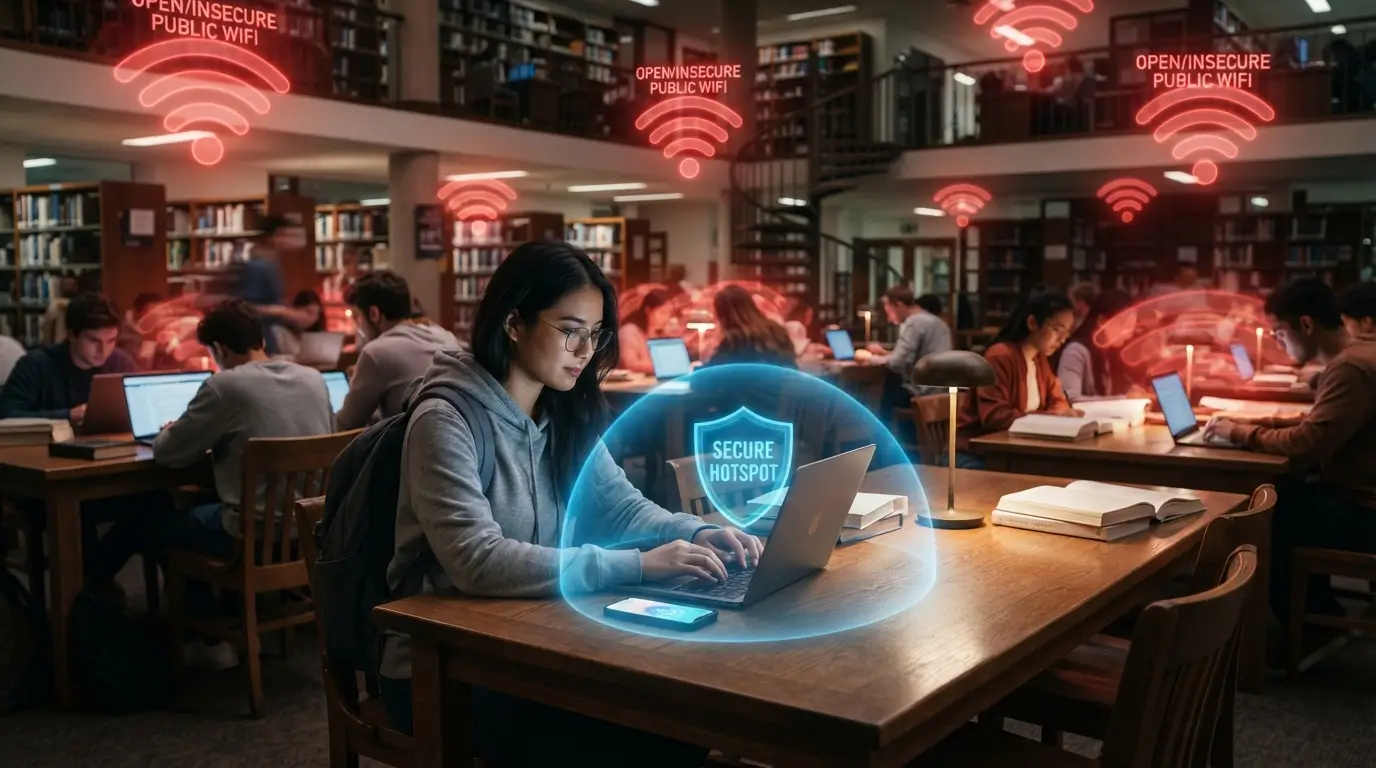
Campus Wi-Fi networks are notoriously public and heavily monitored. Connecting your phone to these networks exposes your browsing data to network administrators and potentially malicious users on the same connection. Best Smartphone Privacy Settings Guide For College Students Turning off auto-join for open networks prevents your phone from quietly connecting to every unsecured router you walk past on campus. If you frequently use your phone as a mobile hotspot for your laptop in the library, change the default password immediately.
Using a strong, unique password stops random classmates from leeching your cellular data and prevents network snooping. Make sure to rename your device to something generic. Best Smartphone Privacy Settings Guide For College Students Naming your phone with your full first and last name broadcasts your identity to everyone within a hundred feet looking for a Bluetooth or Wi-Fi connection.
Revoke Background App Refresh Permissions
Apps love to constantly pull new data from the internet even when you are not actively using them. Best Smartphone Privacy Settings Guide For College Students Disabling background app refresh for the vast majority of your apps shuts down this silent data collection. Only leave it active for essential services like email or navigation that genuinely need to update in real time.
Turning this off extends your battery life significantly during long days on campus. Best Smartphone Privacy Settings Guide For College Students You will not miss any important notifications, as push alerts operate on a completely different system. When you open a restricted app, it simply takes a half-second longer to load the newest content. That tiny delay is a very small price to pay for keeping your phone secure and stopping developers from monitoring your usage hours.
Enable Automated Deletion for Old Messages
Implementing this best smartphone privacy settings guide for college students fully means managing your digital footprint over time. Hoarding years of text messages takes up valuable storage space and creates a massive liability if your phone ever falls into the wrong hands. Your message history likely contains old addresses, passwords sent to family members, and countless private details you forgot about years ago.
Set your messaging app to automatically delete conversations after thirty days or one year. You rarely need to reference a text from three semesters ago anyway. Clearing out this backlog minimizes the damage if someone bypasses your lock screen. Secure messaging platforms like Signal take this a step further by offering disappearing messages for individual conversations. Setting sensitive chats to vanish after a few minutes ensures nobody can scroll back through your history to find dirt.
Turn Off Wi-Fi and Bluetooth When Not in Use
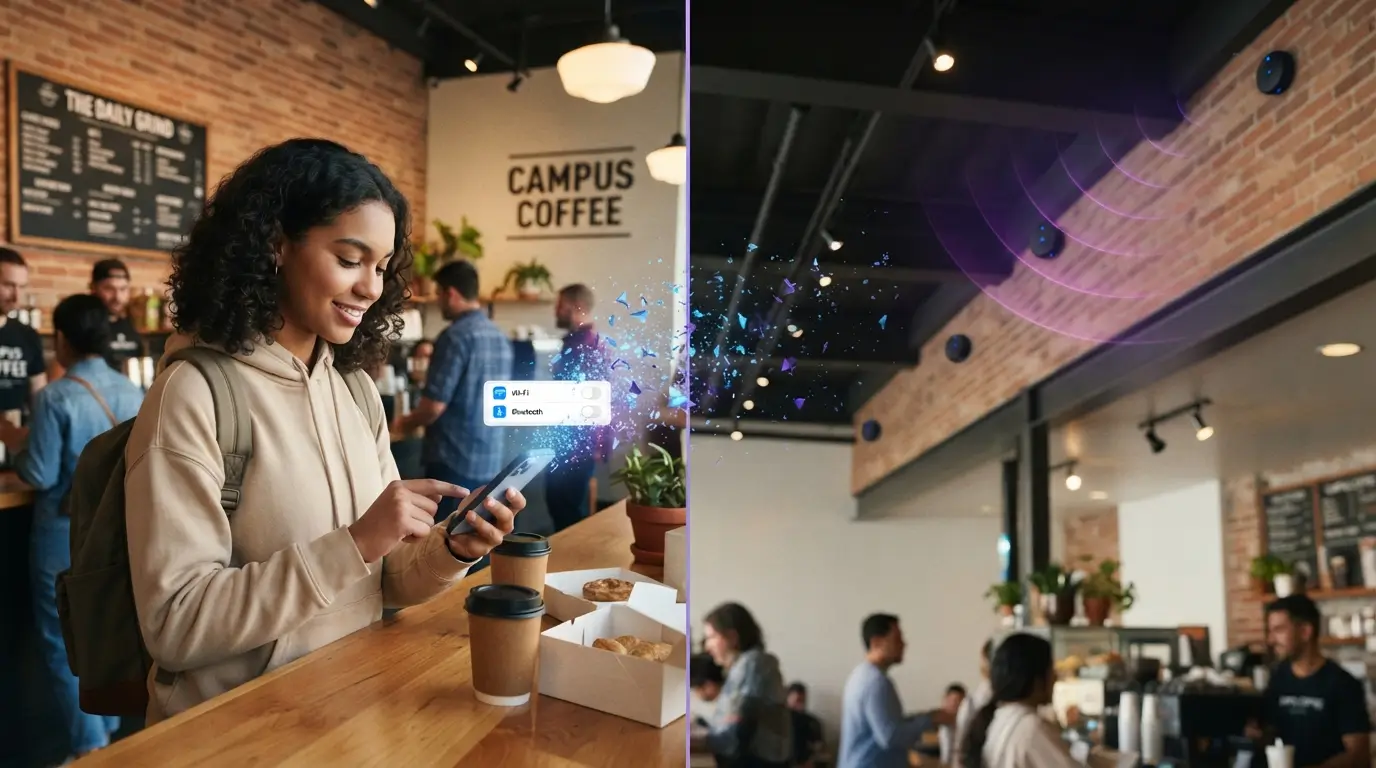
Stores, coffee shops, and even some university buildings use Bluetooth beacons and Wi-Fi tracking to map foot traffic. When you leave these antennas active on your phone, you constantly broadcast a unique identifier to receivers hidden around the city. Disabling Wi-Fi and Bluetooth directly from your main settings menu stops this invisible tracking dead in its tracks.
Using the quick swipe control center on most phones only disconnects you from current devices instead of actually powering down the antennas. Take the extra step to go into your actual settings app to shut them completely off. This simple habit keeps retailers from building a profile of how often you visit their locations. It also drastically reduces the chances of someone executing a spoofing attack against your device while you wait for the campus shuttle.
Frequently Asked Questions
Does this smartphone privacy settings guide for college students work for Android devices too?
Yes. Both major operating systems offer nearly identical security features hidden in their main menus. Apple calls some features by different names than Google does, but the core concepts remain exactly the same. You can lock down either device easily.
Will turning off location tracking stop my campus safety apps from working?
No, you can customize permissions individually. Leave your campus emergency apps set to always track your location for safety reasons. You only need to restrict access for social media, retail stores, and random games that have no legitimate reason to track you.
Why should I care if an app tracks my activity across other websites?
Data brokers compile this tracking information to build highly accurate profiles of your habits, financial status, and personal interests. Companies sell these profiles to advertisers and external organizations. Blocking this tracking keeps your off-campus browsing habits completely private.
Does hiding my lock screen notifications hide my alarm clock alerts?
Hiding previews only affects incoming messages, emails, and third-party app notifications. Your system alarms, phone calls, and timers will still display normally on your screen. You will never miss a morning class just because you secured your text messages.
How often should I check my app permissions?
Review your settings at the start of every new semester. Updates frequently reset certain permissions, and you likely download several new apps for different classes over the year. A quick audit twice a year keeps your device locked down tightly.
Conclusion
Taking charge of your data requires just a few minutes of menu diving, but the peace of mind lasts all semester. Your phone holds your entire life, so do not hand the keys over to every random app that asks nicely. Have you found any sketchy apps asking for weird permissions lately?
Leave a Reply