Foolproof Laptop Troubleshooting Steps for Beginners 2026
Your laptop just froze mid-email, or the screen went black, or it’s running slower than molasses in January. Your first instinct is probably to panic or call someone expensive. Foolproof Laptop Troubleshooting Steps for Beginners But here’s the thing: most laptop problems don’t actually need special tools or a computer science degree to fix. Some of the most effective foolproof laptop troubleshooting steps for people with no tools live right inside your settings, your keyboard, and your power button. I’ve been there, laptop screaming at me, no screwdriver in sight, and honestly, that’s when I learned the real hacks.
1. The Force Restart (Your Secret Weapon)
Before you do anything else, try a force restart. I know it sounds too simple. Everyone tells you to turn it off and on again, and you roll your eyes because that’s what tech support always says. Foolproof Laptop Troubleshooting Steps for Beginners But there’s a difference between a normal restart and a force restart, and that difference has saved me more times than I can count.
Hold down the power button for 10 to 15 seconds until your laptop shuts off completely, regardless of what’s on the screen. Don’t use the shutdown menu. Foolproof Laptop Troubleshooting Steps for Beginners Don’t close your programs first. Just hold it down. Wait 30 seconds, then power it back on. This clears your RAM and stops any frozen processes dead. I’ve fixed keyboard malfunctions, unresponsive programs, and random freezing this way alone.
2. Check Your Task Manager to Find the Problem
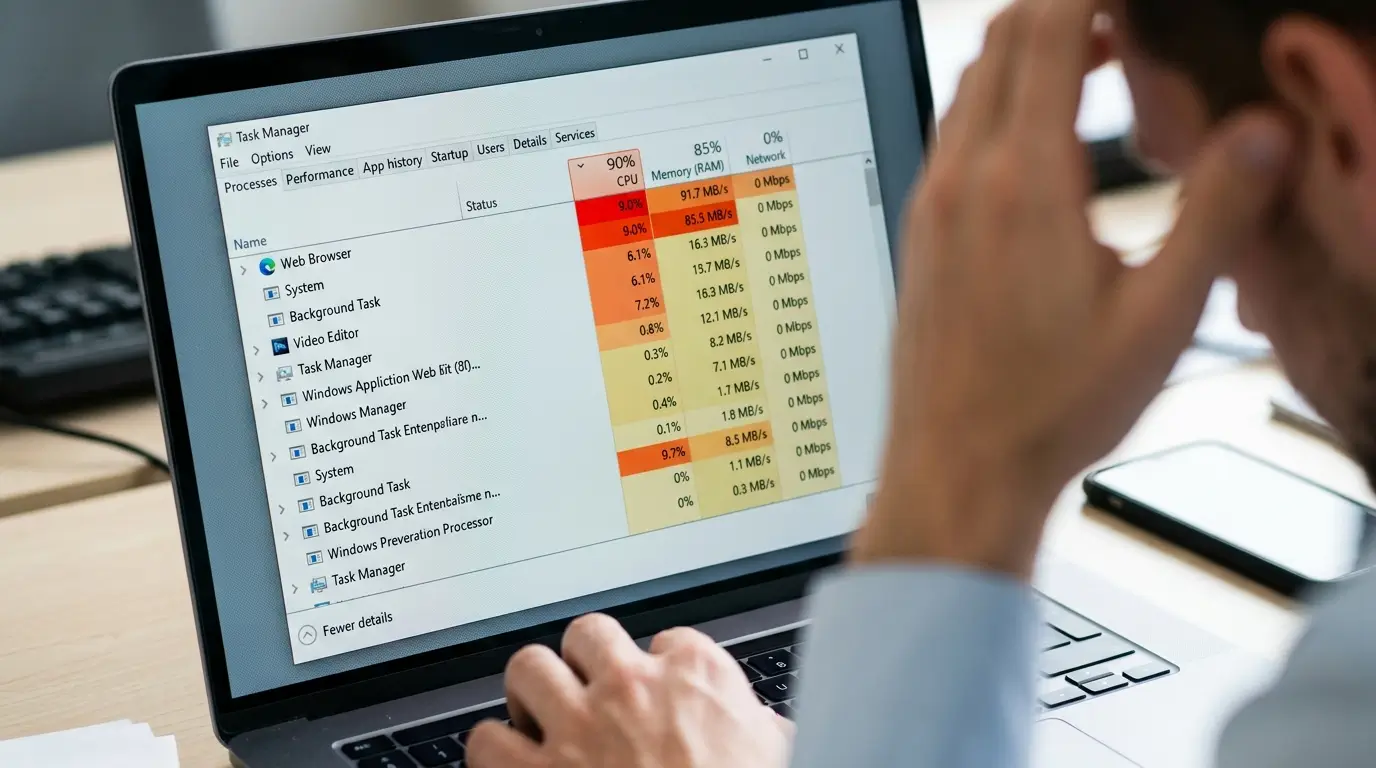
Once your laptop is running again, open Task Manager to see what’s actually eating up your resources. On Windows, press Ctrl+Shift+Esc. On Mac, press Command+Space, type “Activity Monitor,” and hit Enter. Foolproof Laptop Troubleshooting Steps for Beginners This shows you every program running right now and how much of your CPU, memory, and disk it’s using.
Also Read: Budget Friendly VR Gaming Basics for Wheelchair Users 2026
Look for anything using 90 percent or more of your CPU or RAM. That’s your culprit. Maybe it’s a browser tab with 47 ads, or a program you forgot you had running in the background. Foolproof Laptop Troubleshooting Steps for Beginners Click on it and select “End Task” or “Force Quit.” This is where I discovered that Spotify was somehow using 60 percent of my memory. Once I closed it, my laptop went from unusable to normal in seconds. No tools needed, just awareness.
3. Disable Startup Programs You Don’t Need
Here’s where your laptop is probably sabotaging itself without telling you. Half your startup programs do absolutely nothing for your day, but they’re all launching when you boot up, slowing everything down before you even open a browser. Foolproof Laptop Troubleshooting Steps for Beginners This is one of the most underrated foolproof laptop troubleshooting steps that actually prevents problems.
On Windows, press Windows key+R, type “msconfig,” and hit Enter. Foolproof Laptop Troubleshooting Steps for Beginners Go to the Startup tab and uncheck anything you don’t recognize or don’t actually need running all the time. Adobe Reader? Probably not. Some printer software from 2019? Definitely not. On Mac, go to System Settings, General, and Login Items, then remove anything suspicious. Restart after, and you’ll feel the difference immediately.
4. Clear Your Temp Files and Junk
Your laptop stores temporary files constantly, and they pile up like dust in a forgotten corner. Foolproof Laptop Troubleshooting Steps for Beginners Over time, this slows everything down. You can clear these without any tools at all, just by using built-in Windows or Mac features.
On Windows, press Windows key+R, type “%temp%,” and hit Enter. Select everything in that folder and delete it. Then repeat for the Recycle Bin. Foolproof Laptop Troubleshooting Steps for Beginners On Mac, download CleanMyMac X or use Terminal to clear cache, but honestly, the easiest way is just to restart and let macOS handle it. After clearing temp files, restart your laptop. I once had a client whose machine was crawling, and clearing temp files cut her boot time in half.
5. Disable Visual Effects to Free Up Resources
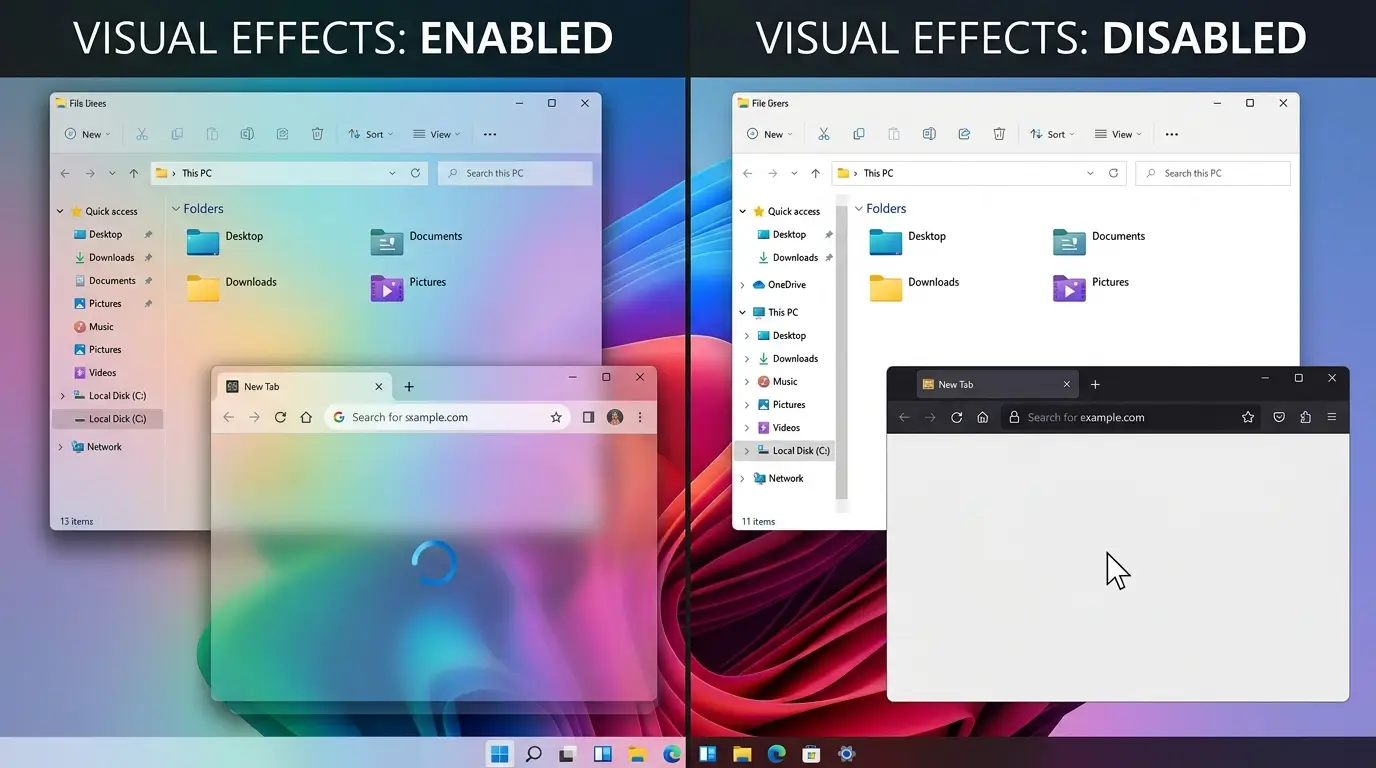
Windows and Mac both come loaded with animations, shadows, and visual effects that look pretty but eat up processing power. Foolproof Laptop Troubleshooting Steps for Beginners If your laptop is struggling, turning these off is like taking off a heavy backpack. This is one of those foolproof laptop troubleshooting steps that works especially well if your hardware isn’t brand new.
On Windows, right-click “This PC,” select Properties, then Advanced System Settings, then Settings under Performance. Choose “Adjust for best performance” and click Apply. On Mac, go to System Settings, Accessibility, Display, and disable Reduce transparency and motion if you’re seeing lag. Foolproof Laptop Troubleshooting Steps for Beginners Your laptop will look a bit plainer, but it will run noticeably faster. I did this on my five-year-old Dell, and it felt like I’d just upgraded it.
6. Update Your Drivers and Operating System
Outdated drivers and missing OS updates are sneaky culprits behind crashes, connection problems, and random errors. Foolproof Laptop Troubleshooting Steps for Beginners You don’t need any tools to update them either, just patience and your internet connection.
On Windows, click Start, go to Settings, Update & Security, and click Check for Updates. Let it run. On Mac, go to System Settings, General, Software Update. These updates aren’t just about new features. Foolproof Laptop Troubleshooting Steps for Beginners They fix bugs, patch security holes, and fix compatibility issues that could be tanking your performance. I avoided updating my Windows laptop for six months once, and when I finally did, my internet connectivity problems vanished completely.
7. Run a Malware Scan Using Built-in Tools
Sometimes your laptop isn’t slow or freezing because of you. Foolproof Laptop Troubleshooting Steps for Beginners It’s because something malicious is living on it. You can scan for malware without downloading anything extra on either platform.
On Windows, search for “Windows Defender” or “Windows Security” and open it. Go to Virus & threat protection and run a scan. On Mac, System Settings has security options too, plus you can use the Activity Monitor to look for anything suspicious running. Malware scans can take a while, so start one and let it run while you grab coffee. I found a sneaky adware program eating my bandwidth this way once.
8. Check Your Hard Drive Storage
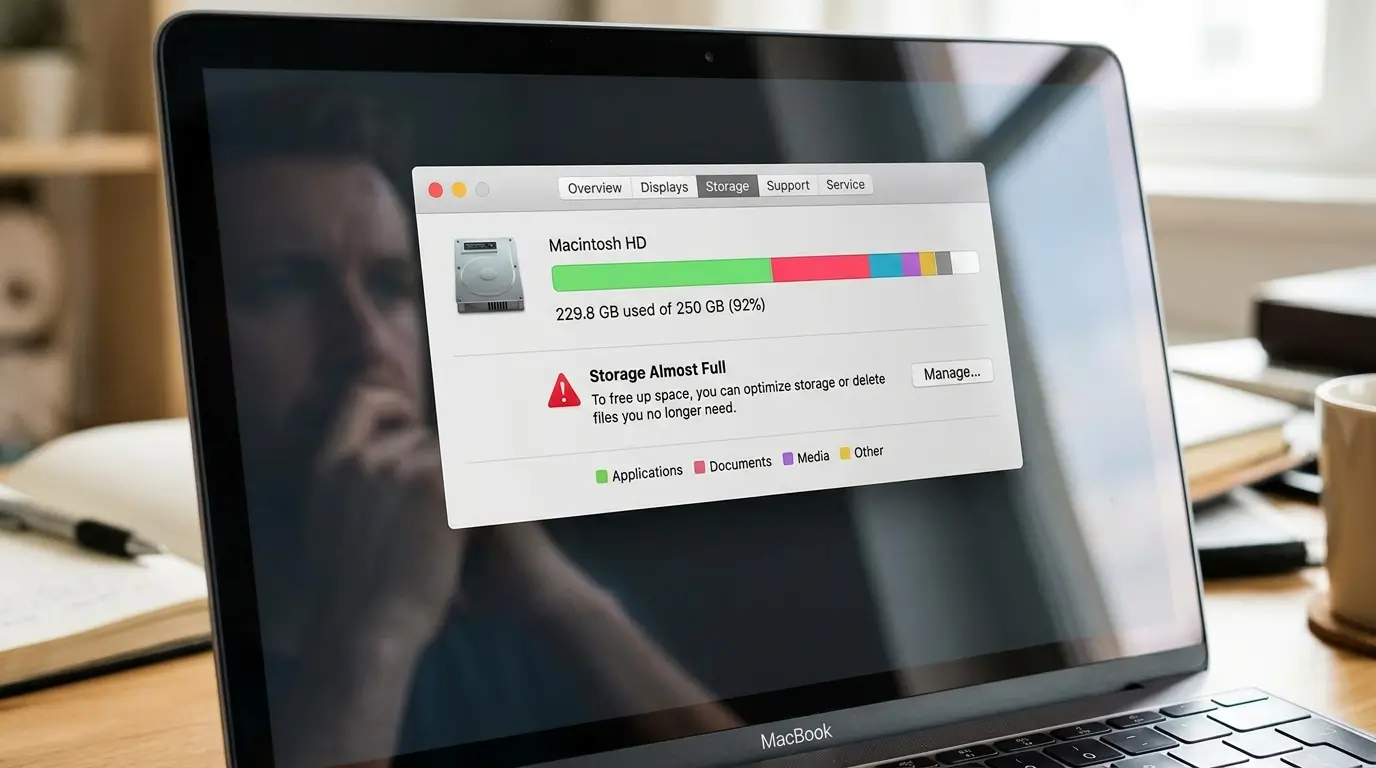
A laptop that’s completely full has nowhere to breathe, and it will act like it. This is such a simple check, but people forget about it constantly. On Windows, right-click your C: drive and select Properties. On Mac, click the Apple menu, About This Mac, then Storage. If you’re above 85 percent capacity, you’ve found your problem.
Delete files you don’t need. Uninstall programs you never use. Move photos to cloud storage like Google Drive, OneDrive, or Dropbox. I once freed up 50 GB just by moving my old project files to the cloud, and my laptop went from sluggish to speedy. You don’t need tools for this, just decision-making.
9. Reset Your Network Settings When WiFi Fails
If your internet is flaking out but everyone else’s works fine, your laptop’s network settings might be corrupted. Resetting them is painless and doesn’t require tools.
On Windows, go to Settings, Network & Internet, Status, then scroll down to Related Settings and click Network Reset. On Mac, go to System Preferences, Network, then click Advanced. You can reset your WiFi settings there. Sometimes your laptop holds onto old WiFi information or bad drivers that make it forget how to connect properly. I had a laptop that would drop WiFi every 20 minutes, and resetting network settings fixed it permanently.
10. Close Browser Tabs and Extensions You’re Not Using
This one feels obvious, but it’s genuinely powerful. A single browser tab with video or ads running can use 300 to 500 MB of RAM. If you’ve got 15 tabs open, you’re bleeding performance. Even more, browser extensions run in the background constantly, and you probably installed half of them years ago and forgot they existed.
Go through your browser extensions right now and delete anything you haven’t used in a month. Close tabs that are just sitting there. If you really need to keep them, use OneTab or a similar tool to save them as a list and close the actual tabs. I cut my RAM usage by a third just by closing unnecessary tabs and disabling extensions I’d forgotten about.
FAQs
What’s the difference between a restart and a force restart?
A normal restart lets your operating system shut down gracefully. A force restart cuts power immediately. Force restarts are more aggressive and clear more things from memory, but they should only be used when your laptop is completely unresponsive. Foolproof Laptop Troubleshooting Steps for Beginners Use a force restart if nothing else is working.
How often should I clear temp files?
On Windows, you can safely clear temp files once a month. On Mac, the system handles this better automatically, so you don’t need to clear them as often. Foolproof Laptop Troubleshooting Steps for Beginners If your laptop is running slowly, do it immediately. It takes two minutes and costs nothing.
Can disabling startup programs break my laptop?
No, as long as you don’t disable anything you’re actively using. If you accidentally disable something important and your laptop acts weird, just re-enable it. Foolproof Laptop Troubleshooting Steps for Beginners Most startup programs are just convenience features, not essential services.
Will resetting network settings delete my saved WiFi passwords?
Yes, on most devices. You’ll need to reconnect to WiFi networks and re-enter passwords. Foolproof Laptop Troubleshooting Steps for Beginners This is actually a good thing because it clears out corrupted or old connections that might be causing problems.
Is it safe to delete files from the temp folder?
Completely safe. Temp files are designed to be temporary. Once you delete them, your laptop regains that storage space. You might get a warning that some programs can’t delete them because they’re in use, but you can safely skip those and delete everything else.
What should I do if foolproof laptop troubleshooting steps don’t work?
If none of these steps help, you might have a hardware issue like a failing hard drive or failing RAM. At that point, it’s worth taking your laptop to a professional or running diagnostic software built into your system. Foolproof Laptop Troubleshooting Steps for Beginners Windows has built-in diagnostics you can access by restarting and pressing F2 or Del during startup.
Conclusion
Most laptop problems aren’t mysteries that require a toolbox and technical expertise. They’re usually just performance bloat, forgotten programs, or settings that need adjusting. Start with a force restart, then work your way through Task Manager and your startup programs. Foolproof Laptop Troubleshooting Steps for Beginners I’ve walked through every step here because I’ve lived through them, and I’ve seen them fix laptops that seemed completely broken. Your laptop will thank you, and so will your wallet.





One thought on “Foolproof Laptop Troubleshooting Steps for Beginners 2026”